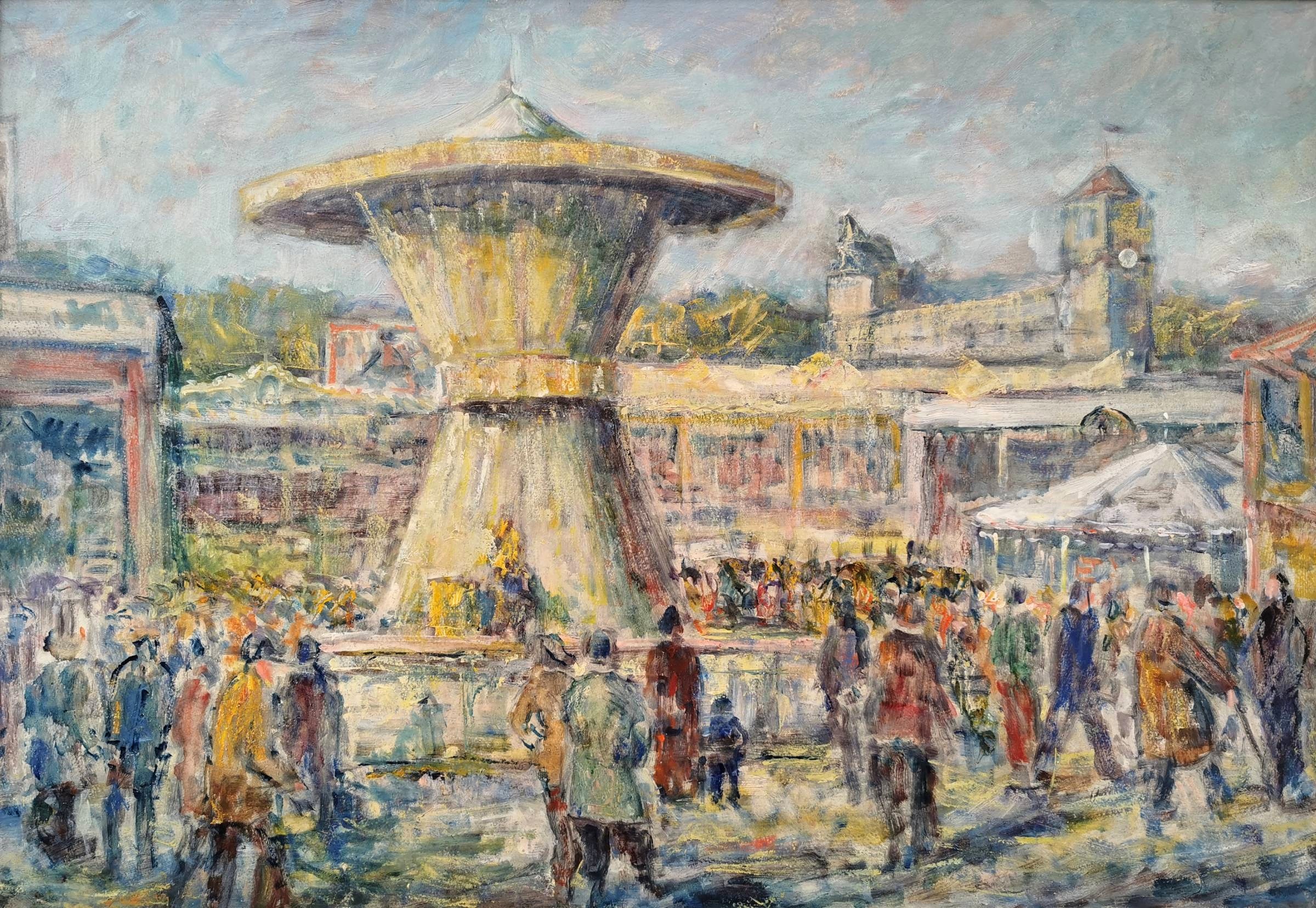
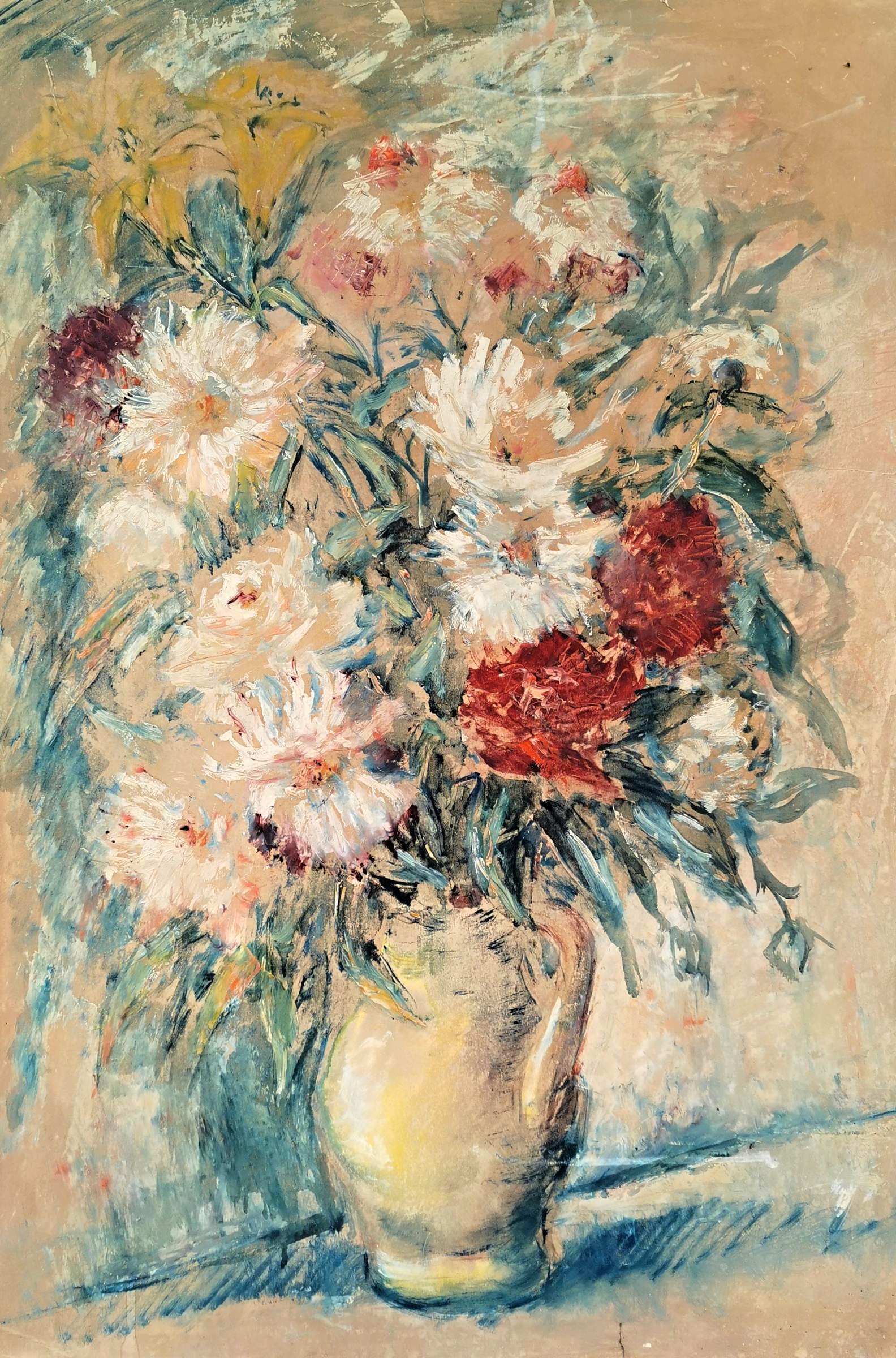
We are collaborating on the preparation of a monograph and a catalogue raisonné of the work of the Olomouc-based painter Jindřich Lenhart (1880–1955).
Jindřich Lenhart ranks among the interesting figures of Czech painting of the first half of the 20th century, although he arrived at a professional artistic career relatively late. He was born on April 6, 1880, in Großjedlersdorf—today part of Vienna—into the family of a railway locksmith, Christian Lenhart. He spent his childhood in Nymburk, where he trained as a house painter and decorator. Even then, however, he showed exceptional talent and enthusiasm for painting.
After moving to Olomouc in 1902, he devoted himself to painting theatrical scenery and landscapes. Despite the lack of formal artistic education, through his own diligence and interest in modern art he developed into a respected Olomouc artist. In 1928 he ended his craft career and began to devote himself fully to painting. From the outset, his work was influenced by European modern movements, especially Impressionism and Expressionism.
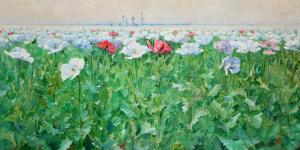
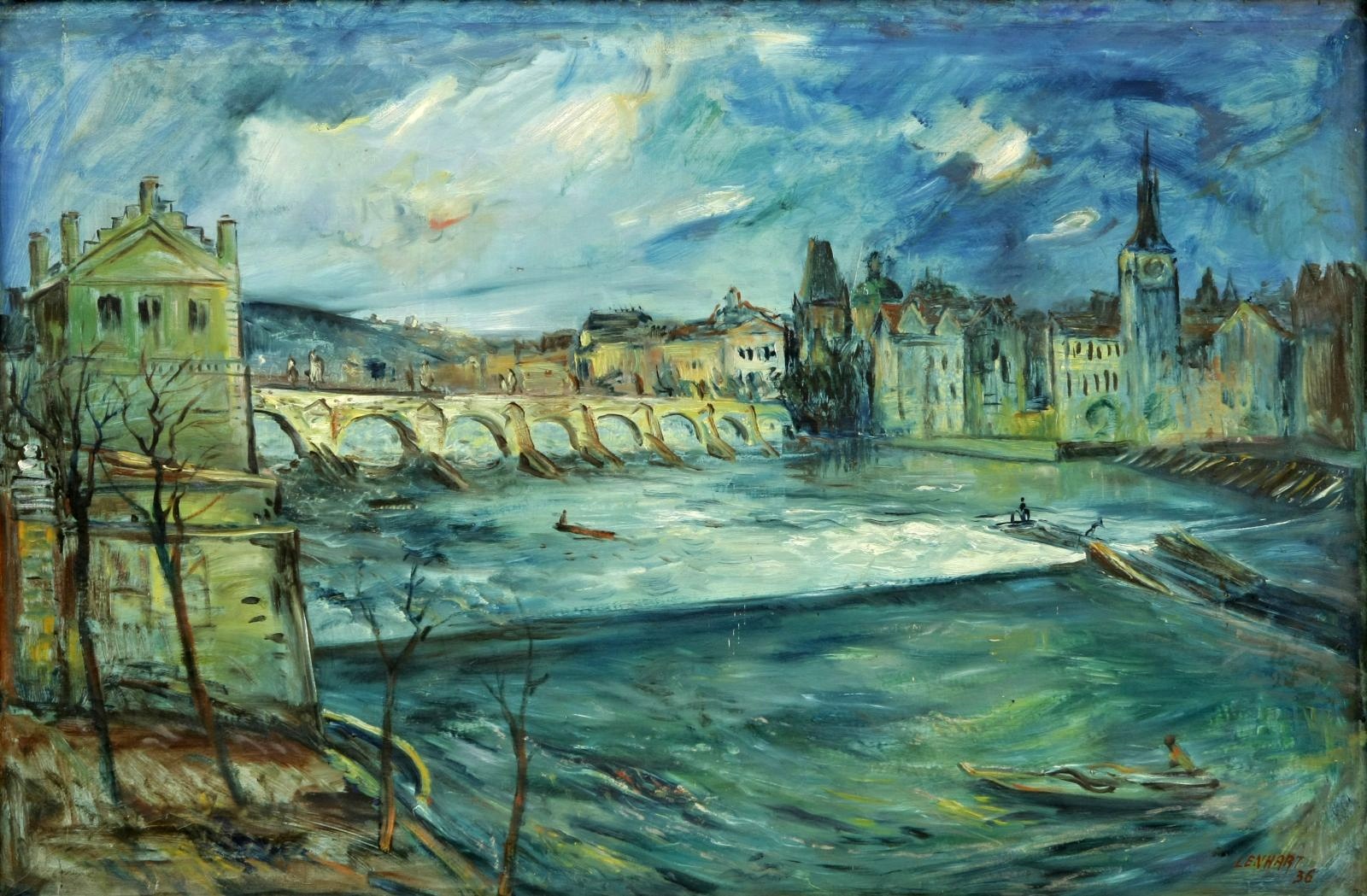
In 1925 he undertook a short stay in Paris, where he was strongly influenced by the works of Maurice Utrillo and Vincent van Gogh. Lenhart’s work, however, remained firmly rooted in the Czech landscape, particularly in Moravia. His paintings, such as Poppy Field or Birch Trees, are characterized by a subtle sensitivity to atmosphere, masterful rendering of light, and a deep connection with nature. He was able to breathe life not only into landscapes, but also into urban peripheries and rural corners, often imbuing his works with a social undertone and a sense of melancholy.
Although for a long time he was regarded by the Olomouc art scene as a dilettante, his acceptance into the Association of North Bohemian Artists in 1929 marked a significant breakthrough. In Prague exhibition circles he began to be perceived as an original and sensitive landscape painter. In a review of an exhibition of the Association of Artists in 1936, Josef Čapek wrote of him:
“Jindřich Lenhart is by no means a pioneer of modernism, but he has his own distinctive strength and his own manner. He is richly color-oriented; his painting possesses charm, richness, fullness, and a pronounced structure.”
Čapek further highlighted Lenhart’s ability to transform the influences of modern movements—such as Cézannism or the work of Maurice Vlaminck—into his own painterly language. Lenhart’s work is not merely a celebration of landscape; it often carries a deeper spiritual and emotional message.
Lenhart was not only a passionate landscape painter, but also a tireless observer and documentarian of urban and rural life. His paintings, for example Winter Landscape or Suburban Houses, continue to resonate today through their poetry and social undertones. In the 1930s he became a recognized figure on the Czech art scene, and his works were exhibited regularly.
Jindřich Lenhart died on September 14, 1955, while working en plein air near Svatý Kopeček, where he often found inspiration for his work. Today, a small memorial stands at the site of his death, commemorating a painter who devoted his life to capturing the beauty and hidden stories of the landscape.